Posts

Showing posts with the label Titans

Cottus: The Titan of the Hundred Arms

Image
Cottus: The Titan of the Hundred Arms Greek mythology is filled with a diverse range of gods, Titans , and mythical creatures. One such titan, Cottus, is often overlooked but has a fascinating story to tell. Cottus is known as the titan of the hundred arms and is often grouped together with his brothers, Gyges and Briareus . In this blog post, we will explore the background of Cottus, his appearance, and his role in Greek mythology.  Cottus Background of Cottus Cottus was born to the Titans Uranus and Gaia . He was one of the three Titans born with 100 arms and 50 heads. His brothers, Gyges and Briareus , also possessed the same physical attributes. Cottus and his brothers were considered to be the Hecatoncheires , which translates to "the ones with a hundred hands." Cottus and his brothers were imprisoned in Tartarus by their father, Uranus , due to their physical appearance. They were eventually freed by their nephew, Zeus , when he overthrew his father, Cronus . Afte...
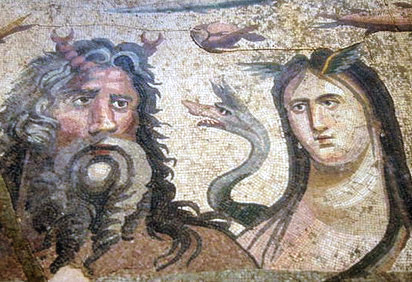
Tethys: The Ocean Goddess of Greek Mythology

Image
Tethys: The Ocean Goddess of Greek Mythology Greek mythology is full of fascinating characters, gods and goddesses with unique and powerful abilities. One such deity is Tethys, the goddess of the ocean and one of the Titans . In this blog post, we will explore the life and legacy of Tethys, and examine her significance in Greek mythology. Tethys The Life of Tethys According to Greek mythology, Tethys was the daughter of Uranus and Gaia , and the sister of Cronus . She was married to her brother Oceanus , and together they had countless children, including the 3,000 river gods and the 3,000 ocean Nymphs known as the Oceanids. Tethys was a powerful deity, and her domain encompassed all the waters of the world, including the seas, rivers, and fountains. She was often depicted riding a sea monster, and her symbols included dolphins and fish. The Significance of Tethys As the goddess of the ocean, Tethys played a vital role in Greek mythology. She was responsible for the wellbeing of all ...

Titans: First Gods and Goddesses

Image
The Titans of Greek Mythology The Titans were a powerful race of deities in Greek mythology who ruled during the Golden Age of ancient Greece. They were the children of Gaia and Uranus and were considered the first gods and goddesses of the Greek pantheon. The Titans were a race of giant beings, each with unique powers and abilities. In this blog post, we will explore the origins, characteristics, and stories of the Titans. Titans Origins of the Titans According to Greek mythology, the Titans were born from the union of Gaia , the Earth, and Uranus , the Sky. The first six children of Gaia and Uranus were the Titans, who were named Oceanus , Coeus , Crius , Hyperion , Iapetus , and Cronus . These six Titans were followed by six Titanesses, who were named Tethys , Theia , Phoebe , Mnemosyne , Themis , and Rhea . Characteristics of the Titans The Titans were known for their immense size, strength, and power. They were also associated with the natural world, such as the oceans, the sk...

Themis: The Goddess of Divine Justice

Image
Themis: The Goddess of Divine Justice In Greek mythology, Themis was known as the goddess of divine justice, law, and order. She was often depicted as a wise and just figure, holding a sword in one hand and scales in the other. Themis was also associated with prophecy and oracles, and was considered one of the Titans , the ancient gods who ruled before the Olympians. @wikipedia.org/wiki/Themis The Myth of Themis The myth of Themis goes back to the early days of Greek mythology. According to legend, she was born from the union of Uranus , the sky god, and Gaia , the earth goddess. Themis was one of twelve Titans who were born from this union, and she was known for her wisdom and fairness. As the goddess of justice, Themis played a key role in the myth of the Titanomachy, the great battle between the Titans and the Olympians. When the Titans declared war on the gods, Themis was one of the few who remained neutral, as she believed that the gods would ultimately prevail. After the war, ...

Cronus: The Titan God of Time and Agriculture

Image
Cronus: The Titan God of Time and Agriculture Greek mythology is a vast treasure trove of fascinating characters and stories, and one of the most intriguing figures in this world is Cronus. He was a Titan, a powerful god who ruled over the universe before the Olympians rose to power. Cronus is often associated with time and agriculture, and his story is full of mythological intrigue and family drama. Cronus Early Life and Rise to Power Cronus was born to Gaia , the earth goddess, and Uranus , the sky god. He was one of the Titans , a powerful race of gods who ruled over the universe in the time before the Olympians. Cronus was a formidable figure, with immense strength and power. According to legend, he overthrew his father Uranus to become the ruler of the universe. Cronus became the king of the Titans and married his sister Rhea , who bore him several children. However, he was also known for his paranoia and fear of losing his power. To prevent any of his offspring from overthrowin...

Crius: The Titan of Constellations

Image
Crius: The Titan of Constellations In Greek mythology, the Titans were powerful deities who ruled the world before the Olympian gods. Among them was Crius, the Titan of constellations. Often overlooked in popular culture, Crius played an important role in ancient Greek cosmology. Crius Early Life and Family Crius was the son of Uranus (the sky) and Gaia (the earth). He had 11 siblings, including his brothers Oceanus , Coeus , Hyperion , Iapetus , and Cronus , and his sisters Thea, Rhea , Themis , Mnemosyne , and Tethys . Collectively, they were known as the Titans . Crius was married to his sister Eurybia, with whom he had three children: Astraeus, Pallas, and Perses. Astraeus was the god of the stars and planets, Pallas was the god of warcraft, and Perses was the god of destruction. Role in Mythology Crius was primarily known for his association with constellations. In ancient Greek cosmology, the stars were believed to be the souls of the departed, and the constellations were seen...

Hyperion in Literature and Astronomy

Image
Hyperion: The Titan of Light and Heavenly Observation In Greek mythology, the Titans were the children of Uranus (the sky) and Gaia (the earth). They were the first gods who ruled the world before they were overthrown by the Olympians. One of the Titans was Hyperion(Ὑπερίων), the god of heavenly observation and light. Hyperion The Mythology of Hyperion According to Greek mythology, Hyperion was the son of Uranus and Gaia , and the brother of Cronus , the ruler of the Titans. He was married to his sister, Theia , the goddess of sight and shining light. Together, they had three children: Helios, the sun god; Selene, the goddess of the moon; and Eos, the goddess of the dawn. Hyperion was known as the god of light because he was responsible for the natural light that illuminated the earth. He was also associated with the heavenly observation because he watched over the movements of the sun, moon, and stars. Hyperion was often depicted as a tall, handsome god with bright eyes and golden ...

Uranus(Ouranos): The Sky Father of Greek Mythology

Image
Uranus(Ouranos): The Sky Father of Greek Mythology In Greek mythology, Uranus was the personification of the sky and the husband of Gaia , the Earth Mother. Together, they gave birth to the Titans , the Cyclopes , and the Hecatoncheires , among others. Uranus was an important figure in Greek mythology, and his story is both fascinating and tragic. Uranus Origins of Uranus According to Greek mythology, Uranus was born to Gaia , the Earth, and Chaos , the formless void that existed before the universe. Uranus was the second generation of gods, after the primordial deities like Chaos , Gaia , and Nyx . He was the god of the sky, the heavens, and the stars, and was often depicted as a giant who held up the dome of the sky. Mythology of Uranus Uranus married his mother, Gaia , and together they had many children, including the Titans , the Cyclopes , and the Hecatoncheires . However, Uranus was a cruel and abusive husband, who imprisoned his children inside their mother's womb, causing ...

Gaia: Mother of Greek Mythology

Image
Gaia: The Mother of All Greek mythology is full of fascinating characters, and Gaia is no exception. Also known as Gaea, she is often referred to as the mother of all, the personification of the Earth itself. In this post, we will take a closer look at Gaia, her mythology, and her significance in Greek culture. Gaia Mythology According to Greek mythology, Gaia was born from Chaos , the original void of the universe. She was the first being to emerge from the chaos, and she gave birth to the sky, the sea, and the mountains. She was also responsible for creating the Titans , who were the gods that ruled the world before the Olympians. Gaia was a powerful and influential figure in Greek mythology. She was often depicted as a nurturing mother figure who protected and cared for her children. She was also known for her vengeful and wrathful nature, especially when her children were mistreated. One of the most famous myths involving Gaia is the story of the Titanomachy. In this m...